
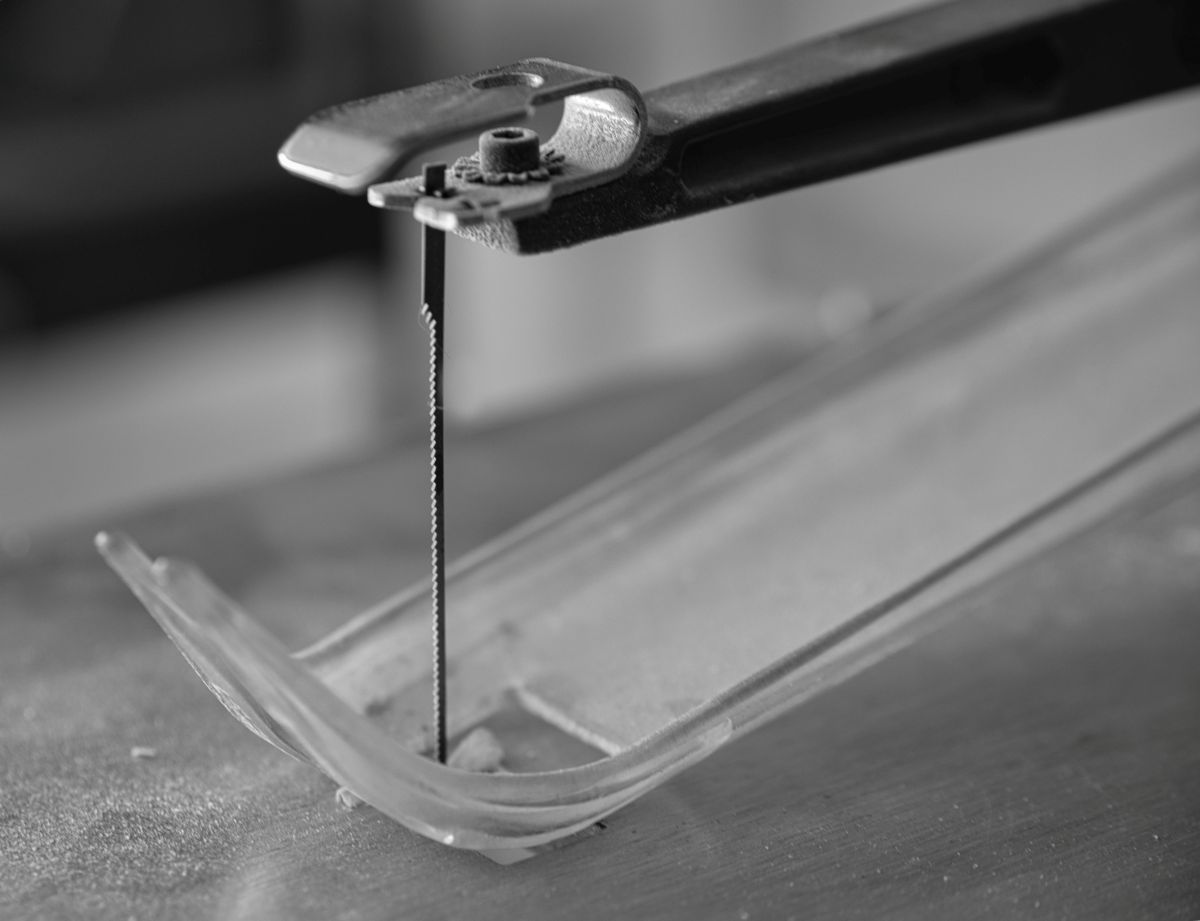
Scroll saws are often treated as simple craft tools. That assumption limits their real potential. In professional workshops, they now support serious furniture work. Modern furniture making values control, flexibility, and visual clarity. Scroll saws quietly support all three.
Furniture trends favor lighter forms and clean surfaces. Builders want precision without heavy automation. Scroll saws meet this demand through steady, visible cutting. As a result, makers stay connected to the material during each step. That hands-on control shapes better decisions.
Another reason scroll saws matter involves space and cost. Many modern workshops stay compact. Scroll saws fit easily into these environments. In addition, they require minimal setup. That keeps production flowing without delays.
Precision Joinery That Redefines Craftsmanship
Joinery defines furniture quality. Poor joints fail early and look careless. Scroll saws allow tight-fitting joints with controlled depth. That improves strength without adding bulk. Curved joinery often causes trouble. Band saws struggle with fine turns. Scroll saws handle curves smoothly, making them useful in any condition. Consequently, builders achieve joints that follow design lines precisely. Assembly becomes faster and cleaner.
Scroll saws also cut internal joint shapes. These joints stay hidden after assembly. The outer surfaces remain smooth and simple. That supports modern design preferences. Accuracy reduces correction work. Less sanding follows each cut. For this reason, builders save time across projects. Precision becomes consistent rather than occasional.
Creating Lightweight Structural Components
Furniture weight affects usability. Heavy pieces cost more to ship and move. Scroll saws help reduce weight through internal cut-outs. These cuts remove excess material without harming the structure. Panels often carry unnecessary mass. Scroll saws cut interior patterns before assembly. The finished panel looks solid from the outside. Meanwhile, the inside carries less material.
This method works well for seating and shelving. Chairs benefit from reduced strain on joints. Shelves become easier to mount. At the same time, strength remains predictable. Material efficiency improves as well. Builders waste less wood. That lowers costs and supports responsible sourcing. Scroll saws help balance strength and efficiency.

Useful Furniture Additions for Storing
Scroll saws can be valuable when crafting workshop furniture designed to keep corded tools protected and accessible. With precision cutting, you can build compact cabinets, custom racks, and tailored holders that use vertical and horizontal space efficiently. These storage pieces contribute to storing your tools safely in a dry, clutter-free area while reducing wear that can occur from tangled cords or contact with other tools.
Wall-mounted holders work especially well for corded tools. By cutting slots to match the shape of each tool, everything locks into place securely instead of sitting loosely on shelves. That decreases the chance of accidental knocks, dust buildup, and potential cord strain. The result is quicker access when you need a tool for a project.
Drawer organizers benefit from the same approach. Using dividers sized to individual tools prevents shifting and scraping inside drawers. You always know where each tool belongs, making setup and cleanup more efficient. When mobility matters, tool caddies built with scroll-sawn handles offer convenient transport around the workshop. They support safe storage when tools are not in use and help you stay organized without sacrificing workspace.
Decorative Panels With Functional Benefits
Decorative panels serve many roles. Scroll saws cut repeated patterns with accuracy. These patterns allow air movement in cabinets. Stored items stay fresh longer. Sound control matters in open spaces. Cut panels reduce sound reflection. Furniture contributes to acoustic comfort.
In the same way, visual openness improves room flow. Light management also benefits. Room dividers with cut patterns soften light. Harsh shadows disappear. Scroll saws support fine adjustments during cutting. Builders change patterns without a full redesign. Manual cutting allows quick corrections. Even so, consistency remains high. This balance promotes creative freedom.
Furniture Making and Custom Inlays
Custom inlays add value and identity. Scroll saws cut detailed shapes from mixed materials. Wood, resin, and metal fit cleanly together. In modern furniture making, subtle contrast matters. Inlays highlight edges and surfaces. Scroll saws with the right blade keep edges crisp. That improves visual clarity.
Grain alignment plays a role. Scroll saws allow slow, guided cuts. Builders follow grain direction closely. By comparison, routers often fight material movement. Repair becomes easier, too. Damaged inlays get replaced precisely. Scroll saws remove sections without harming nearby surfaces. That protects the overall design.

Rapid Prototyping for Furniture Designers
Designers test ideas before full builds. Scroll saws help create quick prototypes. Parts get cut directly from design sketches. Scaled models show the structure clearly. Scroll saws cut miniature joints accurately. Designers check proportions early. Therefore, errors get caught before production.
Changes remain simple. Designers adjust curves during cutting. That keeps creativity active. Scroll saws support problem-solving through hands-on work. Client feedback improves as well. Physical models communicate ideas clearly. Scroll saws help produce these models quickly. That shortens decision cycles.
Repair and Restoration in Contemporary Pieces
Modern furniture often uses thin components. Repairs need care. Scroll saws remove damaged areas precisely, and replacement pieces fit cleanly. Matching original shapes matters. Scroll saws trace existing patterns closely. Visual balance stays intact.
On the other hand, rough tools risk visible flaws. Restoration supports sustainability. Furniture lasts longer with proper repair. Scroll saws help extend usable life. That reduces waste. Fine control also lowers risk. Builders avoid cracking the surrounding material. Repairs remain limited and effective. That protects design intent.
Scroll Saws Versus Other Cutting Tools
Each tool serves different needs. CNC machines support volume production. Scroll saws support detail-focused tasks. They work best during short runs. Laser cutters cut fast but burn edges. Scroll saws leave natural surfaces. By contrast, lasers require finishing work. Setup time differs greatly. Scroll saws need minimal preparation. Builders start cutting quickly. That suits small workshops. Cost also matters. Scroll saws remain affordable. Maintenance stays simple. Builders invest more time in skill, not equipment.
Additional Workshop Applications Worth Considering
Scroll saws assist with jig creation. Builders cut custom guides quickly. These jigs improve repeatability. They also help create templates. Templates guide routers and saws later. Scroll saws shape these accurately. As such, they support other tools. Edge treatments benefit as well. Scroll saws shape subtle profiles. Builders refine details before sanding. That improves surface quality. Small accessories get produced easily. Drawer pulls and accents take shape quickly. Scroll saws support small-batch production.

Rethinking Tools in Modern Furniture Making
Scroll saws offer more than decorative cuts. They support joinery, prototyping, and repair. Their value grows through thoughtful use. In modern furniture making, adaptability drives success. Scroll saws balance precision and flexibility. Builders stay connected to material and design. Workshops that rethink this tool gain advantages. Scroll saws reward skill and patience. They prove that simple tools still shape modern design.